

The other day, I discovered a Zaxby’s that had apparently been there for years. The strange part? I’ve driven through that shopping center hundreds of times. Same road. Same turn lane. Same destination. Yet somehow, I had never really “seen” it.
My 12-year-old daughter loves Zaxby’s, so I’m not unfamiliar with the brand. We have one close to our house that we visit regularly. This location, however, looked completely different from every other Zaxby’s I could remember. Instead of the familiar red brick and tan exterior, the building was painted white.
The logo was still there. The menu hadn’t changed. It was unmistakably a Zaxby’s once I actually looked at it. But because it didn’t match what my brain expected a Zaxby’s to look like, I simply overlooked it. After some sleuthing, I found that this different, although beautiful, white Zaxby’s may be the direction they are all intended to go.
That experience reminded me of an important truth about branding.
Most people think branding is your logo. In reality, your logo is only one piece of a much bigger picture. Branding is recognition. It’s the collection of visual, verbal, and emotional cues that help people instantly know who you are before they ever read your name.
The strongest brands don’t make customers stop and think. They simply feel familiar.
Branding Is Pattern Recognition
Our brains are constantly looking for shortcuts. We recognize people by their voice before we see their face. We know a favorite song within a few notes. We often recognize a store before we ever read the sign.
Businesses work the same way.
Colors, architecture, fonts, packaging, photography, landscaping, customer service, messaging, and even the words employees use all become part of a customer’s mental picture of a brand. Every consistent interaction reinforces that picture. Every inconsistent one makes customers pause.
While one small detail may not seem significant, dozens of consistent details working together create something powerful: trust through familiarity.
The “Invisible” Zaxby’s
The Zaxby’s example perfectly illustrates how branding works.
There was nothing wrong with the restaurant itself. The food was the same. The logo was the same. The name was the same.
But because the building looked so different from every other Zaxby’s I had experienced, my brain didn’t immediately categorize it as one. The visual pattern had been interrupted.
Many national brands understand this principle well. Think about Chick-fil-A, Starbucks, Taco Bell, or McDonald’s. Long before you read the sign, you often recognize the building, the colors, or the overall look.
That’s not accidental; it’s branding doing its job.
McDonald’s Thought Beyond the Building
Another example came from something I noticed closer to home.
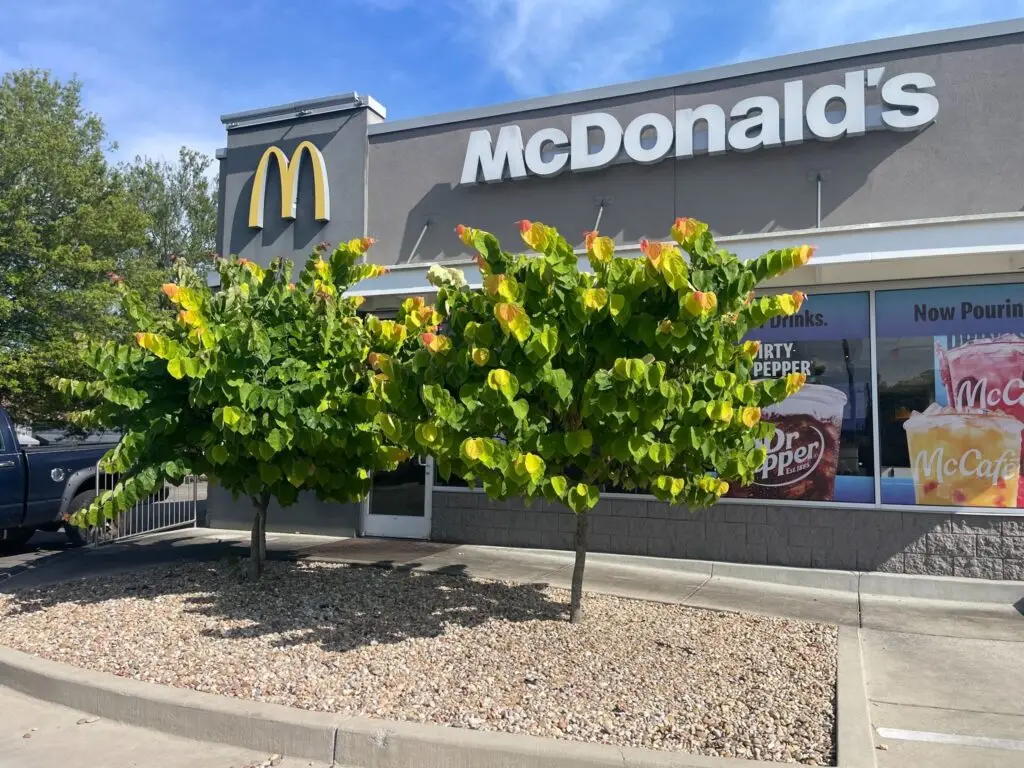
The three McDonald’s locations in our area all have remarkably similar landscaping. The owner’s wife intentionally designed each property herself, selecting trees and plants that create the same visual experience from one location to the next. Even the leaf colors complement the familiar golden arches, creating a blurred ombre effect from green to yellow to red. These trees line the highway in front of the restaurant and are planted next to the drive-thru lane.
It’s a detail many customers may never consciously notice, but that’s exactly what makes it good branding.
The landscaping extends the brand beyond the building itself. Instead of simply placing a restaurant on a piece of property, the entire property becomes part of the customer experience. The consistency creates familiarity, and familiarity reinforces trust.
The Story Behind a Product
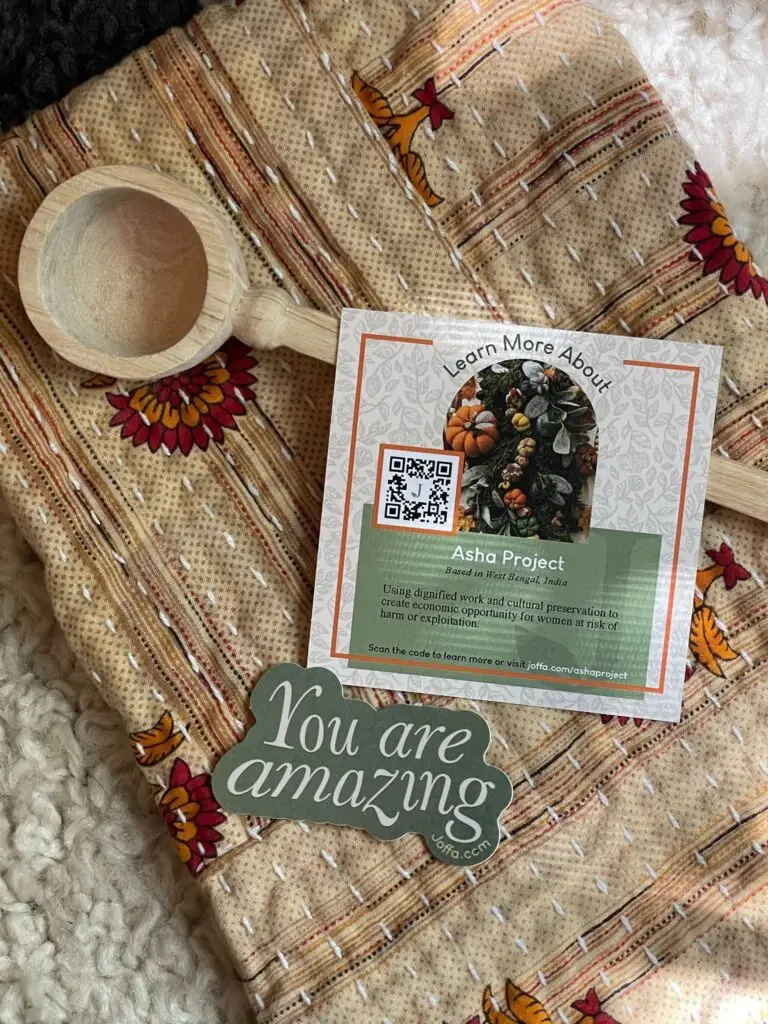
One of my favorite examples of thoughtful branding comes from Joffa Marketplace. Joffa partners with artisans around the world who specialize in handcrafted pieces and ensure every curated product they carry is ethically made, provides dignified employment, and is sourced from underserved communities. To Joffa, the people that they purchase from are just as important as the products.
Many online retailers ship products with little more than a packing slip tucked inside the box. Joffa takes a different approach. Each of their products includes a beautifully designed card introducing the artisan group that created the item. In just a few sentences, the card explains how that purchase is creating opportunities for families around the world. A QR code invites customers to continue learning about the people behind the product.
It’s a simple addition, but it completely changes the experience.
Instead of opening another package, customers are reminded that they’re participating in something meaningful. The product tells a story, and the brand becomes more than a retailer. It becomes a mission customers want to support.
That’s branding at an emotional level.
Made with Heart
At Dogwood, we’ve tried to embrace this same philosophy in small ways.
One of our taglines is “Made with Heart by Dogwood.” You’ll find that phrase throughout our branding, along with a simple red heart that has become part of our visual identity.
When we send mail, we often stamp each envelope with that same red heart. This tagline appears on websites we have built and is even on my favorite Dogwood t-shirt.
It’s a tiny detail that costs very little and takes only a few extra seconds. Yet it reinforces the message behind our brand every time someone opens their mailbox or sees our tagline. It’s there because it reminds people that there’s a real team behind the work, and that we genuinely care about helping our clients succeed.
Sometimes the smallest branding decisions become the most memorable.
More Brands That Get the Small Things Right
Some of the most recognizable companies have built their brands through hundreds of intentional details rather than one flashy marketing campaign.
Trader Joe’s has created a shopping experience that feels unmistakably its own. Handwritten signs, playful product names, nautical-themed décor, and friendly employee interactions all work together to create a personality that’s difficult to replicate.
Chick-fil-A has accomplished something similar through language. Their famous response of “My pleasure” isn’t just polite customer service. It’s a phrase that has become synonymous with the brand itself. Customers have come to expect it, and hearing those two words immediately reinforces the experience they associate with Chick-fil-A.
Neither of those details is revolutionary on its own. Together with countless other consistent choices, they become unforgettable.
Branding Is What People Expect From You
At its core, branding is simply the set of expectations people have about your business.
When someone visits your website, scrolls through your social media, receives your packaging, walks into your office, or speaks with your team, those experiences should feel connected. Each interaction should reinforce the same personality, values, and level of professionalism.
Strong brands create confidence because customers know what to expect. Weak brands create confusion because every interaction feels disconnected from the last.
The Small Things Matter
The best branding is rarely built through one big moment.
Instead, it’s created through hundreds of small, intentional decisions repeated consistently over time.
Individually, these small intentional decisions may seem insignificant. Together, they shape how people remember your business.
Customers may not notice every detail, but they absolutely notice the feeling those details create. In today’s crowded marketplace, creating a brand that people instantly recognize and genuinely remember is one of the most valuable investments a business can make.
At Dogwood, we help businesses create branding that feels cohesive, recognizable, and intentional across every customer touchpoint — from websites and social media to printed materials and messaging strategy.
Because good branding is not just about looking good. It is about being remembered.