In the fast-moving digital landscape, accessibility has transitioned from a compliance checklist to a core pillar of high-performance web design. For businesses and nonprofits alike, ensuring your website is usable for everyone is both an ethical choice and a strategic advantage.
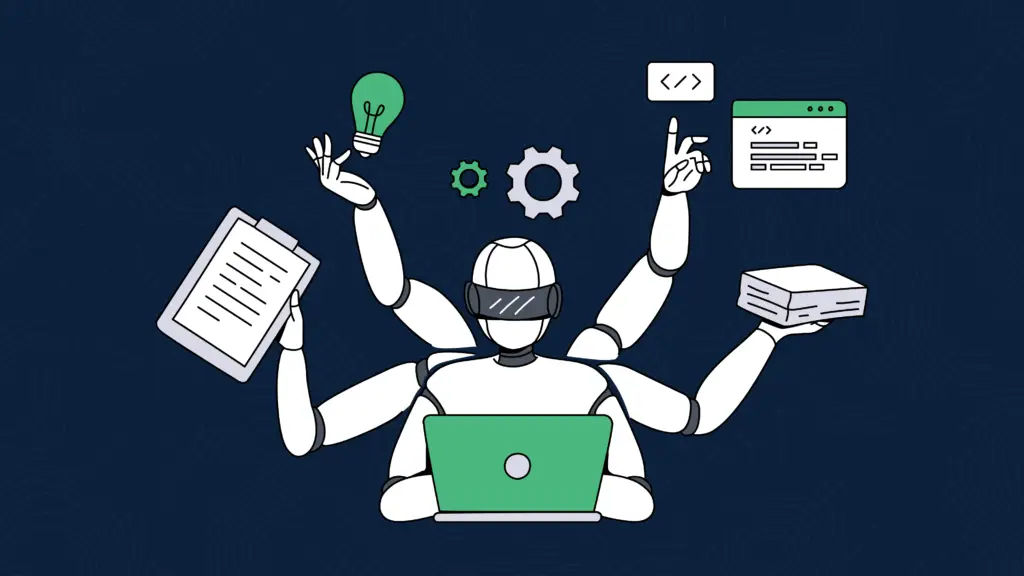
At Dogwood, we integrate advanced AI tools into our WordPress and Elementor workflows to detect and resolve accessibility barriers before they impact your audience. Here is how AI-driven accessibility audits are transforming SEO, legal compliance, and the user experience in 2026.
1. Automated Detection of WCAG 2.2 Issues
Traditional accessibility audits used to require hundreds of hours of manual testing. Today, AI-powered tools can scan thousands of pages in minutes, identifying critical violations of WCAG 2.2 guidelines.
By simulating how screen readers and alternative navigation devices interact with your site, AI can instantly pinpoint:
- Missing Alt Text: AI models now analyze images in context to generate more meaningful descriptions rather than generic templates.
- Heading Structure: Ensuring a logical hierarchy (H1 through H6) so assistive technologies can navigate your content easily.
- Color Contrast: AI evaluates palettes based on real-world vision impairments, flagging areas where text might be unreadable for those with low vision.
2. Boosting SEO through Semantic Clarity
Search engines like Google have evolved to reward “user-centric” design. Because AI-driven accessibility fixes often involve improving the underlying code and semantic structure, they have a direct, positive impact on your SEO.
- Improved Crawlability: When AI helps us implement proper ARIA labels and semantic HTML, search bots can better understand the content and context of your pages.
- Mobile Responsiveness: Accessibility audits often catch “tap target” issues (buttons that are too small or too close together), which is a major ranking signal in mobile-first indexing.
- Structured Data: AI identifies gaps in your schema markup, ensuring that both AI search engines and human users get the most accurate information.
3. Integrating Fixes into Development Workflows
One of the most significant shifts in 2026 is the move from “reactive” to “proactive” accessibility. Rather than fixing a site after launch, Dogwood uses AI to integrate accessibility into its CI/CD (Continuous Integration/Continuous Deployment) pipeline.
By using automated testing tools during the design phase in Elementor, we can catch regression errors—where a new update accidentally breaks an accessible feature—before the site goes live. This saves time, reduces development costs, and ensures a seamless experience for every visitor.
4. Mitigating Legal and Reputation Risk
The legal landscape for digital accessibility has tightened significantly. AI audits provide organizations with “Good Faith” documentation, demonstrating a proactive commitment to standards such as the ADA and EN 301 549.
Beyond avoiding lawsuits, a fully accessible site protects your brand’s reputation. In an era where social responsibility is a key driver of consumer loyalty, a website that excludes people with disabilities is a major PR liability. AI-driven monitoring ensures your site remains compliant as you add new blog posts, products, or features.
5. Enhancing Content for Cognitive Accessibility
Accessibility is about clarity, not just code. Modern AI tools analyze the readability of your content, flagging overly complex language or jargon that could be a barrier for users with cognitive disabilities.
At Dogwood, we use these insights to refine your messaging across all marketing channels—from email marketing to public relations. When your content is easy to read, it’s more effective for everyone, leading to higher conversion rates and better engagement.
Inclusivity as a Standard
The integration of AI into accessibility audits has made it easier and more cost-effective than ever to build a truly inclusive web. However, while AI provides the speed and detection, human expertise is still required to ensure true usability and brand alignment.
At Dogwood, we combine the efficiency of AI with our deep expertise in full-service design and marketing. We’re not just fixing errors as they pop up. Rather, we build digital experiences that welcome every user, rank higher in search, and protect your organization’s future.
Is your website working for everyone? Let’s talk about an AI-driven accessibility audit for your brand.